What Should I Do if My Scooter Hits My Car
Treat it like any other crash: check for injuries, document everything, and notify your insurer before you decide who's at fault.
Do these things in order, right away
- Check for injuries first Mobility scooters move slowly but falls can still hurt someone. Make sure the scooter operator is okay before worrying about your vehicle.
- Get the operator's information Ask for their name, address, and contact details, plus any insurance they might have. Some scooter owners carry liability coverage, many don't.
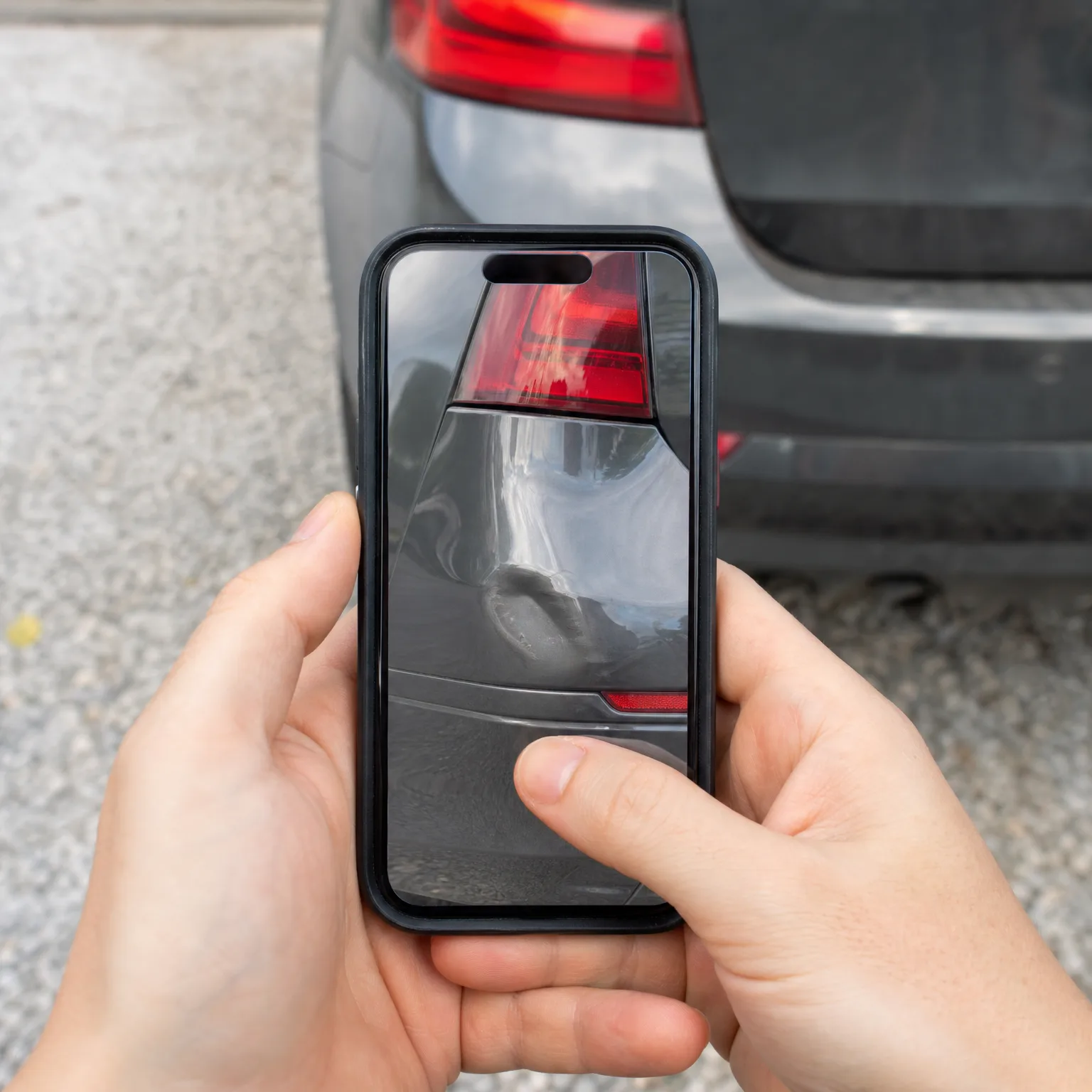
- Photograph everything Take pictures of your vehicle's damage, the scooter, and the surrounding area. Note the time, location, and any witnesses before anyone leaves.
- Call the police if needed If there's injury or meaningful property damage, a police report creates an official record. Check whether your local rules require one for incidents like this.
- Notify your insurer promptly Report the incident even if you think the scooter owner will pay directly. Your policy's timeline for reporting still applies regardless of who's at fault.
Will my own insurance have to pay for this instead of theirs?
It depends on whether the scooter operator has any insurance and whether they can pay out of pocket. Many mobility scooter owners don't carry liability coverage because their scooter isn't licensed or registered as a vehicle.
If they have no coverage and can't pay, your own collision coverage can step in to repair your car, though you'd owe your deductible. Your insurer may then try to recover that cost from the operator directly, a process called subrogation. If they succeed, you could get your deductible back.
This is also where any adaptive equipment coverage you have matters. If the collision damages equipment built into your vehicle, your policy needs to value and repair that correctly, separate from the dispute over who pays for the base vehicle damage. Check how your policy handles that before you assume the scooter incident is simple.
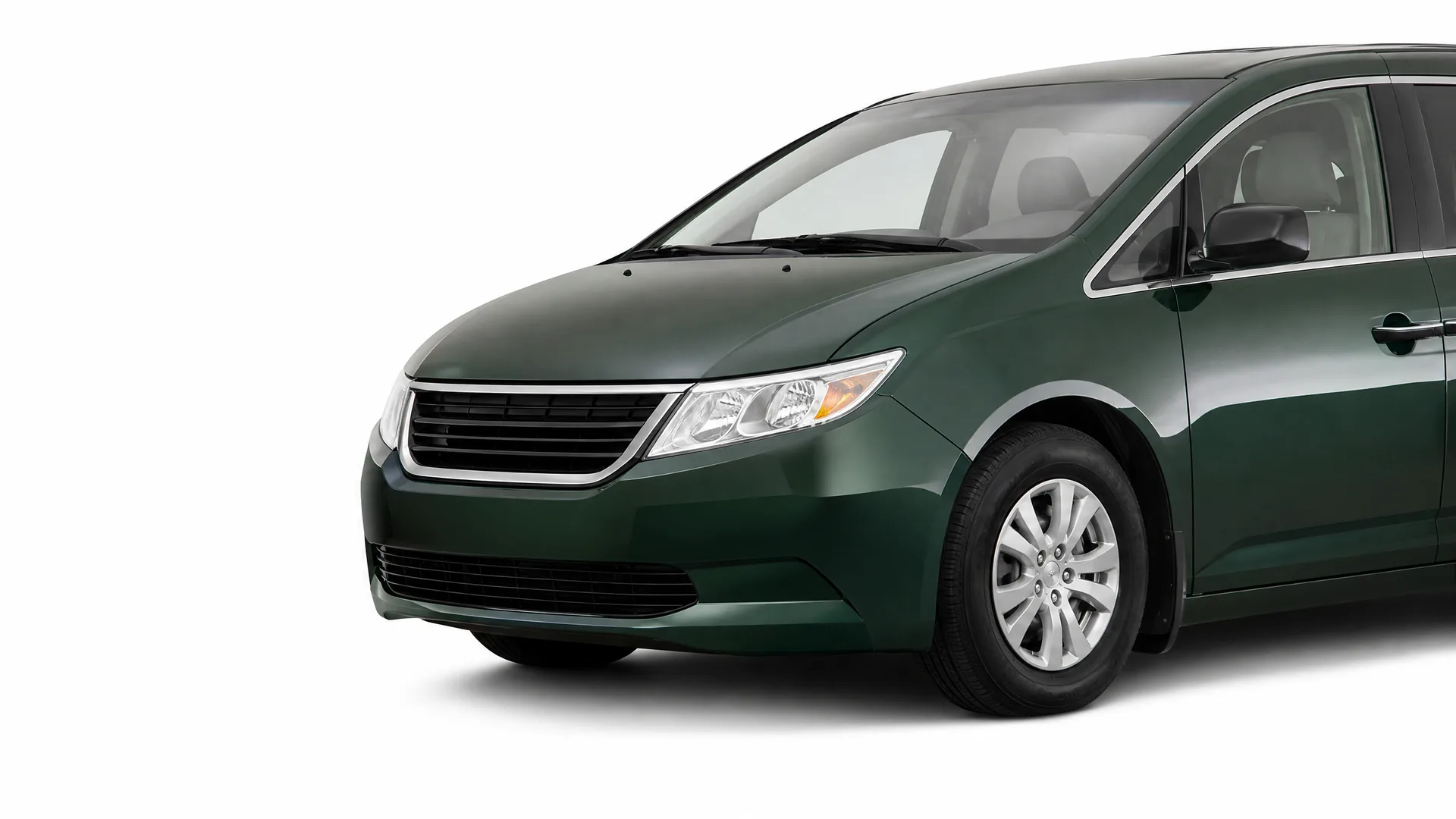
Who was at fault doesn't decide who pays first. Your policy and their resources do.
Compare quotes that cover your full vehicle, equipment included, so an incident like this doesn't leave you guessing.

Whether you report the incident to your insurer
If you do
Your insurer opens a file, documents the damage, and starts repairs on your timeline. If the scooter operator has coverage, your insurer can pursue them directly. Your adaptive equipment gets evaluated properly instead of being an afterthought in a dispute between you and the operator.
If you don't
You're relying on the scooter operator to pay directly, with no documentation backing you up if they change their mind or can't afford it. If equipment damage shows up later, you have no claim history showing when and how it happened, making it harder to get it covered.
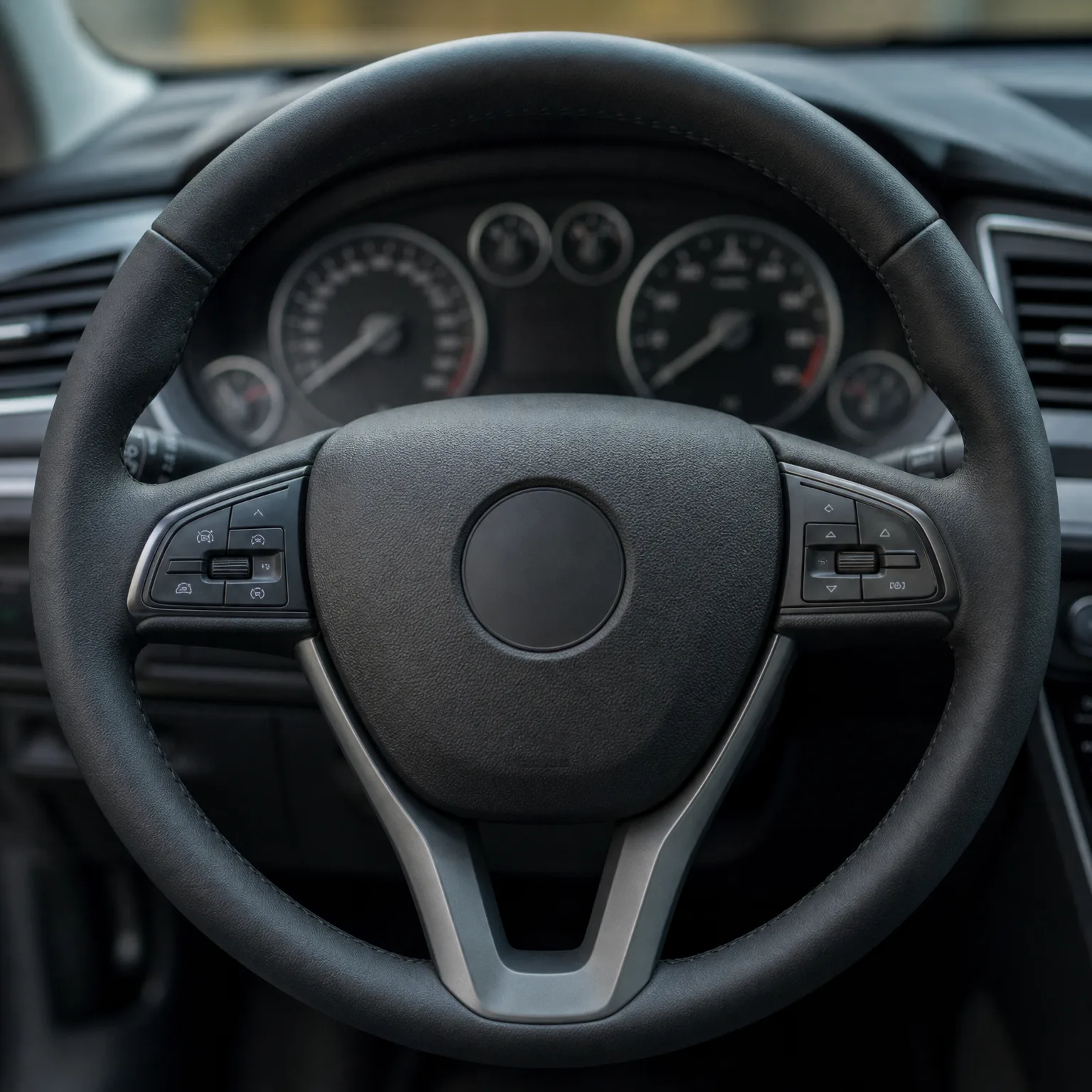
A scooter clips a wheelchair-accessible van in a parking lot
A woman was loading her son's wheelchair into her adapted van when a mobility scooter backed into the rear quarter panel, denting it near the lift mechanism. The scooter operator apologized and offered to pay out of pocket, saying he didn't want insurance involved. She took photos of the dent and the lift controls, got his name and phone number, and still called her insurer that evening to report it.
Her insurer sent an adjuster who found that the impact had also jarred the lift's alignment, something not visible without testing it under load. Because she'd reported the incident immediately and had records showing the lift was functioning normally before, her policy covered the full repair, including recalibrating the equipment, and her insurer pursued the scooter operator's homeowner's liability coverage for reimbursement. If she'd accepted his cash offer for the visible dent alone, the lift misalignment could have gone unnoticed until it failed during use, at a point when there'd be no record connecting it to the original incident.
Does my insurance go up if a scooter hits my parked car?
Usually not, since the incident wasn't your fault and you weren't driving. Insurers generally reserve rate increases for at-fault claims. Check your policy's language on not-at-fault claims and ask your insurer directly how this specific type of incident gets classified before you report it.
What if the scooter operator has no insurance and can't pay?
Your own collision coverage can pay for repairs, and you'd owe your deductible upfront. Your insurer may then attempt to recover costs from the operator through subrogation. Whether this makes sense depends on your deductible amount and how confident you are the operator can eventually pay. Ask your insurer about your specific recovery odds.
Can I get a replacement vehicle while mine is being repaired?
Only if you have rental or replacement vehicle coverage, and adapted vehicles often need specialized replacements that aren't always available quickly. Check whether your policy covers a comparably equipped substitute, not just any vehicle, since a standard rental won't work if you need lift or hand control access.