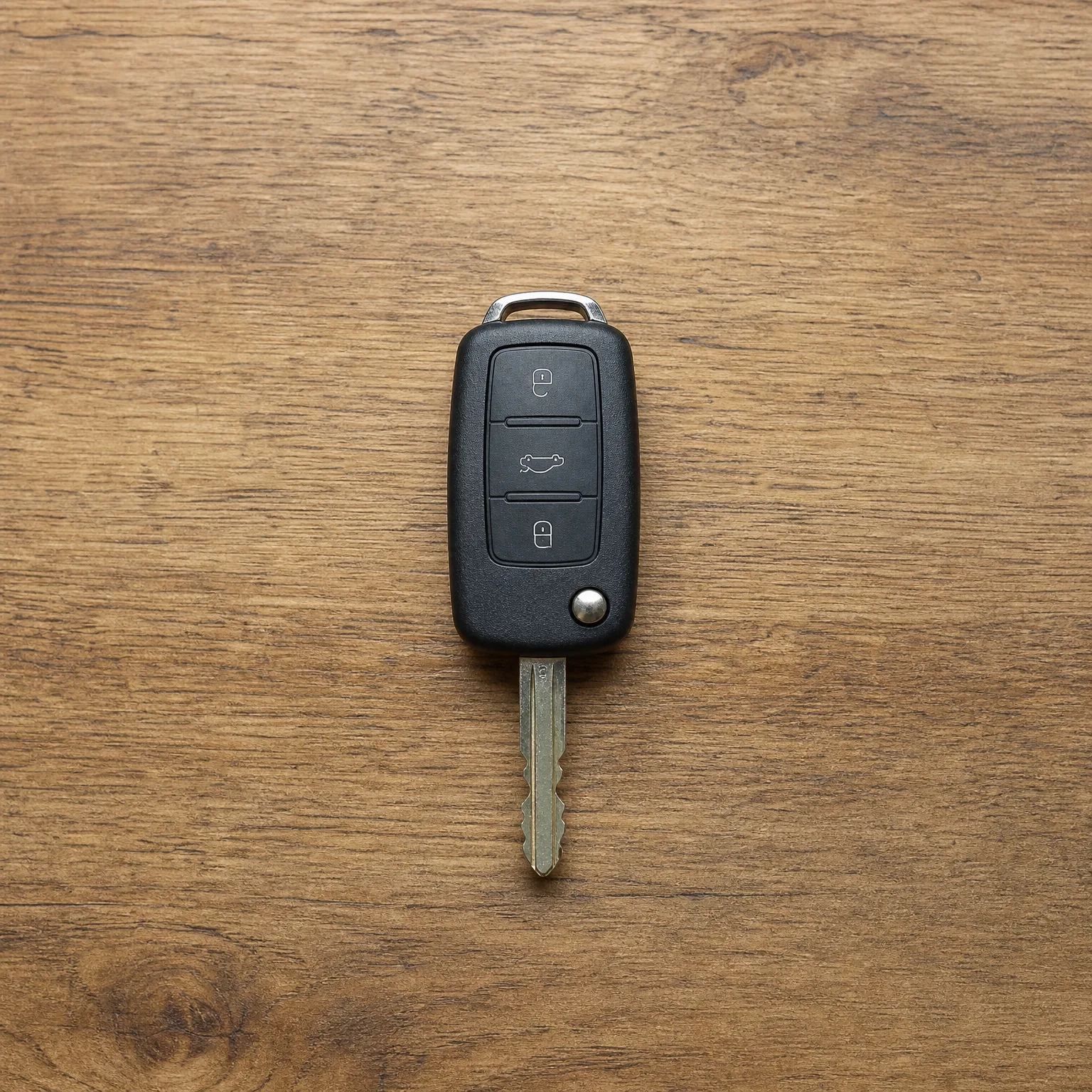
What Is an Accessible Vehicle
An accessible vehicle has equipment like lifts or hand controls, and that equipment must be declared and valued on its own.
What makes a vehicle count as accessible, and what to do next
- Adaptive equipment Lifts, ramps, hand controls, lowered floors, swivel seats, and similar modifications are what make a vehicle accessible. List every piece by name when you insure the vehicle, not just the vehicle itself.
- Declared value matters The cost of the equipment is often separate from the value of the vehicle itself. Ask your insurer directly how they'll value the equipment if the vehicle is totaled, and get that answer in writing.
- Factory versus aftermarket A vehicle built accessible from the factory is treated differently than one modified after purchase. Tell your insurer which kind you have, because the paperwork and proof required can differ.
- Replacement time Accessible vehicles can take longer to replace or repair because parts and installers are limited. Ask what your policy pays for a replacement vehicle while yours is out, since a standard rental may not be usable.
- Keep your records Save receipts, installation invoices, and photos of the equipment. If you ever file a claim, this is what proves the equipment existed and what it was worth.
Will my insurer cover the full cost of my adaptive equipment?
Only if they know about it. Standard auto policies are written around the vehicle as it left the factory. If your equipment was added after purchase, it may not be covered at all unless you've told your insurer it exists and asked for it to be included.
Most insurers can add adaptive equipment to a policy, either by endorsement or through a separate valuation agreement. This is where you describe the equipment, sometimes with receipts or appraisals, and the insurer agrees on a value ahead of time. Without that step, a claim adjuster may treat the equipment as an aftermarket accessory with limited coverage, which is rarely enough to replace it.
This varies by insurer, so ask specifically how adaptive equipment is handled before you need to file a claim, not after.

Telling your insurer about the equipment, or not
If you do
You describe every modification and may get a written agreement on its value. If the vehicle is totaled or the equipment is damaged, you have documentation already on file. Claims move faster because there's no argument about what was installed or what it's worth.
If you don't
Your insurer assumes a standard vehicle. If the vehicle is totaled, you may only get the value of an unmodified vehicle. If the equipment is damaged alone, it might be denied or valued as a generic aftermarket part, far below what it cost to install.
Now that you know what to tell an insurer about your equipment, compare quotes to see who covers it the way you need.

A parent insures a van with a wheelchair lift
A parent bought a used minivan and had a wheelchair lift and ramp installed for their child. When they called to insure it, they described the vehicle by its make and model only, the way they always had with past cars. The policy went through without any mention of the lift or ramp.
A year later, another driver hit the van and the lift was damaged beyond repair. The adjuster valued the damage using a generic aftermarket equipment schedule, far below what the parent had paid for the installation. The parent called the insurer, provided the original installation invoice, and asked for the policy to be corrected going forward with the equipment listed and valued separately. The insurer agreed to update the policy, but could not apply that change retroactively to the claim already in progress. The parent accepted a partial settlement and made sure the new agreed value was documented in writing, so the next incident, if there ever is one, would be handled differently from the start.
Why accessible vehicles need to be insured on their own terms
Insurance pricing and valuation start from a baseline, which is the vehicle as the manufacturer built it. Anything added afterward sits outside that baseline unless someone specifically brings it to the insurer's attention. This isn't unique to accessibility equipment. It's the same reason a car with a custom stereo or an aftermarket engine needs separate documentation. Adaptive equipment just tends to cost far more, which makes the gap bigger if it's left undeclared.
When a vehicle is totaled, insurers pay out its value right before the loss. If the equipment was never declared, that value calculation won't include it, because there's no record it existed. This is why declaring equipment and getting an agreed value in advance matters so much more for accessible vehicles than for ordinary ones. Without that agreement, the insurer and the owner can end up disagreeing sharply on what the vehicle was actually worth.
Factory-built accessible vehicles sometimes fare better by default, because the equipment is part of the vehicle's original specification and shows up on the manufacturer's paperwork. Aftermarket modifications depend entirely on what the owner discloses and documents. This is also why some insurers ask for appraisals or installer invoices, since they have no other way to know what's inside the vehicle beyond its exterior description.
Where this plays out differently is in how fast a replacement can happen. A totaled standard vehicle can often be replaced within days. An accessible vehicle may need new equipment ordered and installed before it's usable again, and that timeline depends on local installers and equipment availability, which varies by region and by insurer's own network.