
What Is a License Code
A license code marks that you're authorized to drive with specific adaptive equipment, like hand controls or a wheelchair lift.
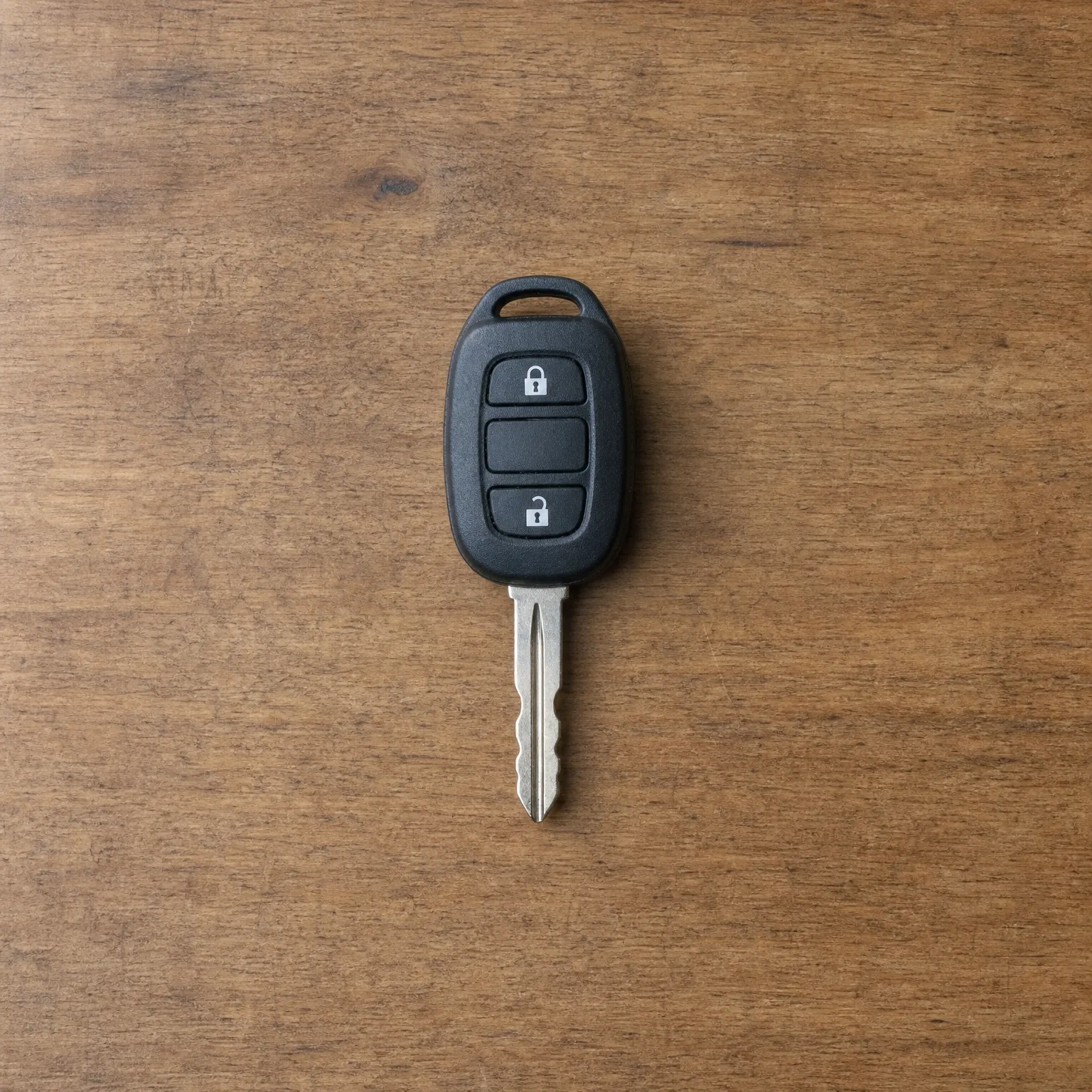
A parent insures a van with a wheelchair lift
A father bought a used minivan and had it fitted with a wheelchair lift and tie-down system so he could transport his teenage son. When he went to register the vehicle, the state asked whether the primary driver had a restricted license or any code tied to adaptive equipment. He didn't, since he was the one driving, not his son. He called his insurer to ask whether this mattered for coverage.
The insurer explained that the equipment itself needed to be listed on the policy regardless of who held a license code, because the lift and tie-downs were permanent modifications that raised the vehicle's value. He gave them a receipt for the equipment installation and the policy was updated to reflect the higher value. A year later, when his son got his own provisional license with a code requiring hand controls, he called again to make sure the policy noted that a second driver with specific equipment needs would be operating the van. Nothing about the premium changed much, but the declarations now matched reality, and he felt sure that if something happened, the claim wouldn't stall over a mismatch between the paperwork and the vehicle.
Does a license code affect my insurance rates?
Usually not directly. A license code describes a restriction or requirement on how you're allowed to drive, such as needing hand controls or a spinner knob, not a judgment about your risk as a driver. Insurers price policies based on driving history, vehicle type, location, and similar factors. The code itself isn't a penalty.
What can affect your rate is the vehicle modification connected to the code. Adaptive equipment adds value to the vehicle, and that value needs to be reflected in your coverage. That's a separate conversation from the license code, but the two often come up together since both relate to the same adapted vehicle. Ask your insurer directly whether they treat the code as relevant to underwriting, since practices vary.

Once you know how your license code and your vehicle's equipment fit together, compare quotes with that settled.

Telling your insurer about a license code on your license
If you do
You give the insurer a complete picture of who's driving and what the vehicle needs. If equipment tied to the code isn't yet listed on the policy, this is the moment it gets added. Declarations match reality, so a claim later has one less thing to question or delay.
If you don't
Nothing happens immediately, since a license code by itself usually doesn't need to be reported. But if the code points to equipment that isn't on your policy, a gap can sit there unnoticed until a claim, when the insurer may ask why the modification was never disclosed.
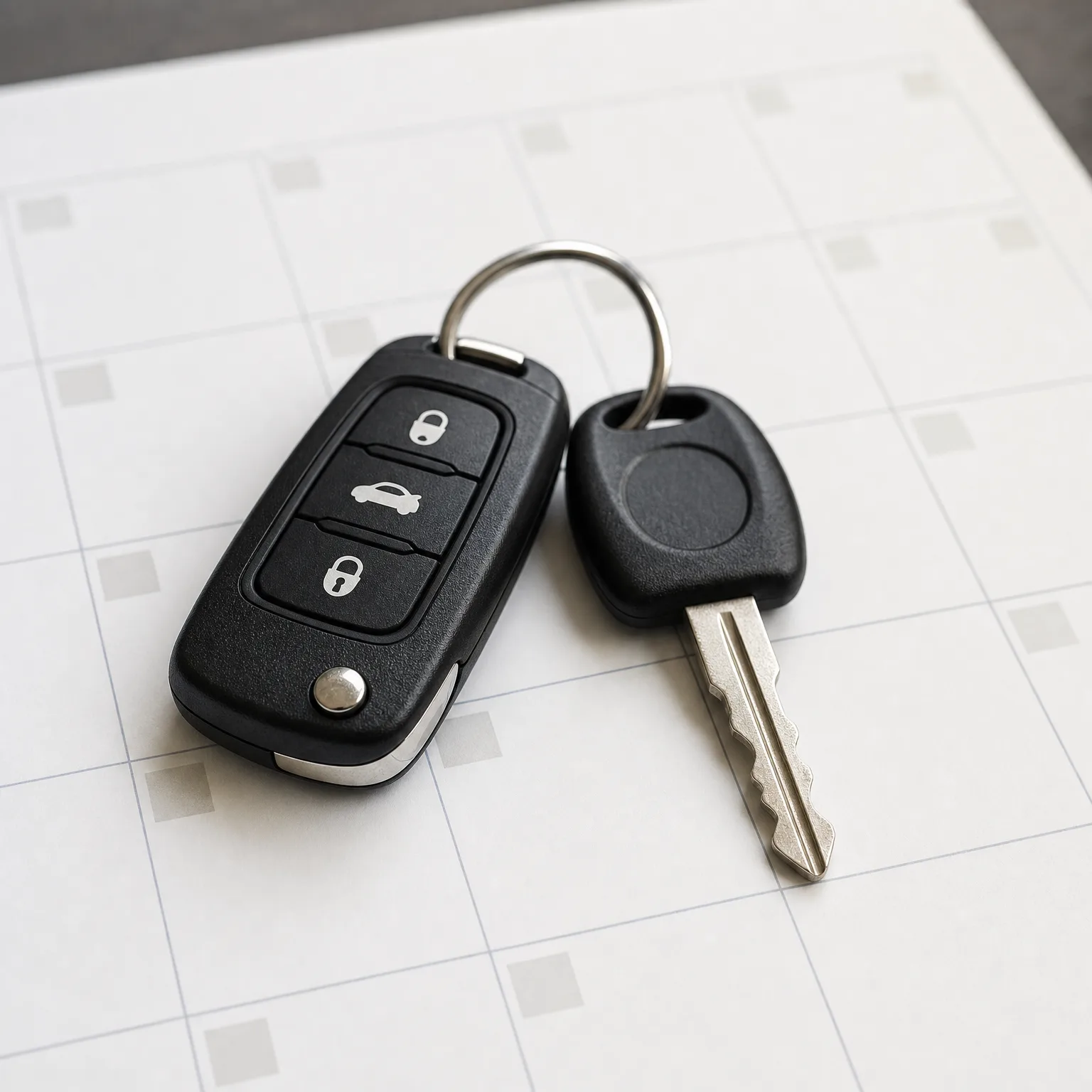
What a license code actually covers and doesn't
- About license, not the car A license code is a restriction tied to your driving privileges, like requiring hand controls. It doesn't by itself describe your vehicle's insurance coverage, so don't assume one document updates the other.
- Equipment needs its own listing Even if your license has a code, the adaptive equipment in your vehicle must be separately declared to your insurer. Give them a list of installed equipment and receipts if you have them.
- States issue codes differently What a code looks like and what it requires varies by state motor vehicle agency. Check with your state's licensing office to understand what your specific code means and whether it needs renewal.
- Insurers may ask anyway Some insurers ask about license restrictions during underwriting even though the code itself doesn't set your rate. Answer honestly, since a mismatch between your license and your claim story can cause problems.
- Not a medical review The code reflects a licensing decision, not an ongoing medical approval. If your needs change, you may need a new driving evaluation before the code changes.
How do I find out what my license code requires?
Your state's motor vehicle agency can tell you exactly what each code on your license means and requires. Codes aren't standardized nationally, so the same letter or number can mean different things in different states. Check your license itself first, since many printed codes reference a lookup table the agency provides. If you recently had a driving evaluation, the evaluator's paperwork usually explains the code too. If your equipment needs change, contact the agency to ask whether you need a new evaluation before the code updates.
Does a license code show up on my driving record for insurers to see?
Sometimes, depending on what your state includes in the records insurers pull. Many insurers request a motor vehicle report during underwriting or renewal, and that report may include license restrictions or codes. Whether a particular code appears, and whether the insurer treats it as relevant, depends on both the state's reporting practices and the insurer's underwriting rules. If you're unsure whether your code is visible to insurers, ask your agent directly what shows up on the report they pull for you.
Can I lose my license code if my disability changes?
Yes, codes can be added, changed, or removed if your driving needs change, and this is handled through your state's licensing agency, not your insurer. A change usually requires a new driving evaluation to confirm what equipment or restrictions are appropriate. If your code changes, update your insurer too, since the vehicle's equipment listed on your policy may need to change alongside it. Keeping both records current avoids confusion if you ever file a claim.