Total Loss on an Adapted Vehicle
A totaled adapted vehicle should be settled for the vehicle plus the equipment, but only if both were declared and valued ahead of time.
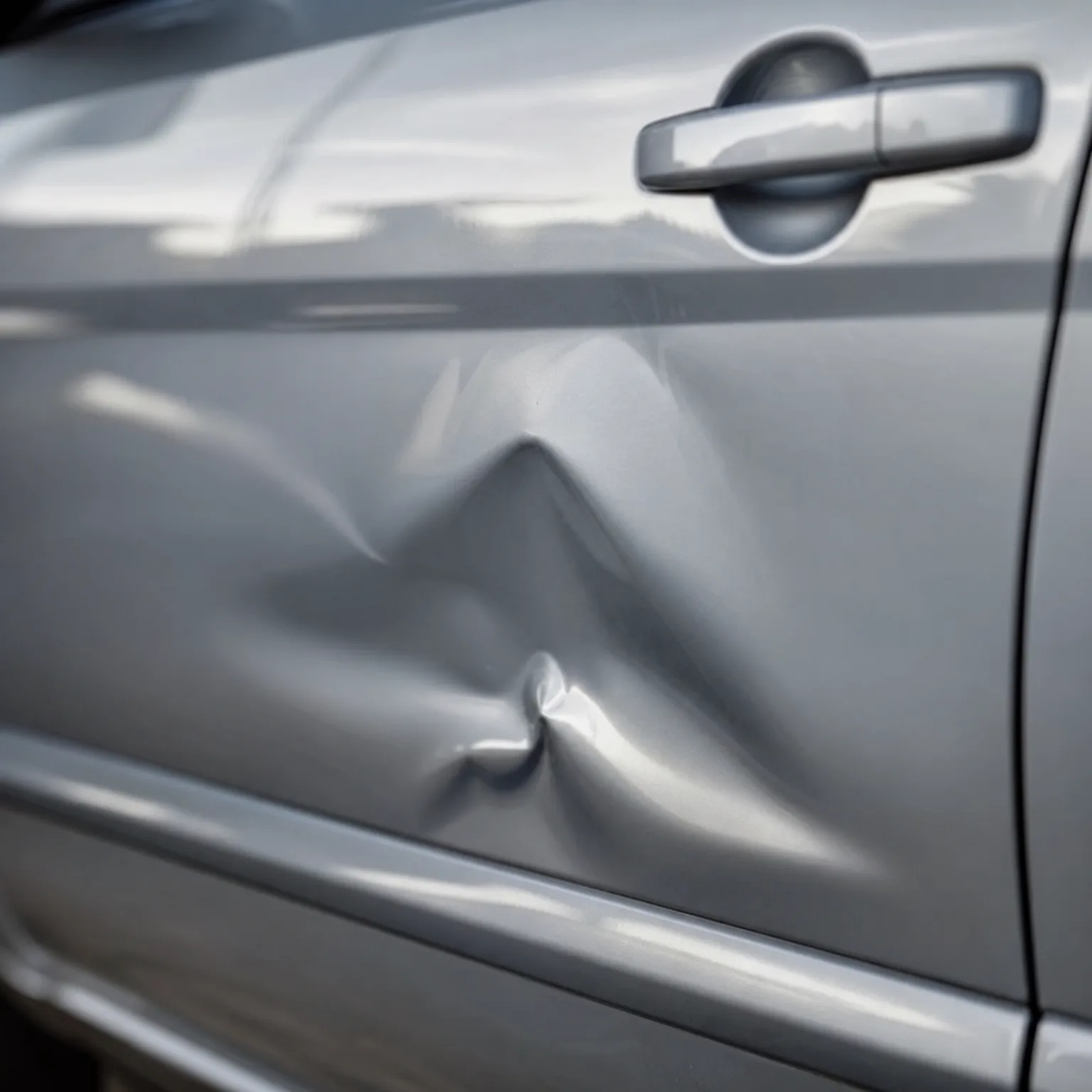
A totaled van with a lift the insurer almost missed
A father drove his adult son's van, fitted with a wheelchair lift and tie-down system installed a few years after the van was bought. After a collision, the insurer's first valuation looked only at the base van, the make and model and mileage, as if the lift didn't exist. The father pulled out the original installation invoice and a letter from the equipment maker confirming current replacement cost, since the lift itself had gone up in price.
He sent both documents to the adjuster and asked for a revised valuation that named the equipment separately. The insurer agreed to add the equipment's value on top of the vehicle's value, rather than folding it into one number. The family also asked about a rental or loaner van with a lift for the weeks before the settlement closed, since the son had no other way to get to work. Having records ready from the start made the difference between a quick fix and a drawn out dispute.
Will my insurer automatically know about my adaptive equipment?
No. Insurers price and settle based on what's on file, and a standard policy usually assumes a stock vehicle. If you never told them about the lift, hand controls, or lowered floor, those modifications may not be reflected in your premium or your coverage limits, and a total loss settlement could reflect only the vehicle's base value.
This is why declaring modifications matters long before any claim happens. Call your insurer, describe the equipment in plain terms, and ask them to confirm in writing that it's included and how it will be valued. Some insurers handle this through an endorsement or rider, others fold it into comprehensive coverage with documentation on file. Either way, you want that confirmation sitting in your records, not something you're trying to prove for the first time after an accident.

Once your equipment is declared and valued separately, compare quotes to find coverage that protects the whole vehicle.

Declaring your adaptive equipment to your insurer
If you do
Your policy reflects the real value of your vehicle, equipment included. If it's totaled, the settlement is based on documented values you agreed on in advance, not a guess made during a stressful claim. You also have a clear record to point to if the insurer's first offer falls short.
If you don't
Your insurer may treat the vehicle as if it were never modified. A total loss settlement could cover only standard vehicle value, leaving you to argue for equipment value after the fact, with no prior agreement and no guarantee you'll win that argument.

What determines whether your equipment is fully covered
- Declare every modification Tell your insurer about each piece of adaptive equipment when you get it, not just the vehicle. Undeclared equipment may not be covered or valued at all.
- Get equipment values in writing Ask your insurer to confirm, in writing, how the equipment is valued and whether it's separate from the vehicle's value. Keep that confirmation with your records.
- Keep installation records Save invoices, installation paperwork, and any documentation of upgrades or repairs to the equipment. These records are what support a fair valuation after a loss.
- Ask about loaner vehicles Find out whether your policy includes a rental or loaner vehicle with equivalent equipment while yours is repaired or replaced. Standard rental coverage often doesn't include this.
- Check your state's rules Some states have specific rules about valuing adapted vehicles or require insurers to offer certain coverage. Ask your insurer or state insurance office what applies to you.
Does my insurance cover a loaner vehicle with the same equipment while mine is repaired?
Only if you've arranged it specifically, since standard rental coverage usually assumes any generic vehicle will do. Ask your insurer whether they can provide or pay for a vehicle with equivalent equipment, such as a lift or hand controls, during repairs. If they can't guarantee this, ask what alternatives exist, including mobility rental services some insurers partner with. This is worth settling before a claim, not during one, since finding an adapted loaner on short notice can take time you may not have.
Can my insurer refuse to cover adaptive equipment because of my disability?
No, insurers cover the equipment itself, not the disability, and coverage decisions should be based on what's installed and declared, not on diagnosis or disability status. If you believe you were treated differently because of a disability, that's worth raising with your state insurance regulator. What matters for coverage is whether the equipment was declared, documented, and valued properly, the same standard that would apply to any vehicle modification for any reason.
What if I lease my adapted vehicle instead of owning it?
You'll likely need gap coverage, since a total loss settlement based on vehicle value alone may not cover what you still owe on the lease, especially once equipment costs are factored in. Ask your leasing company how they handle adaptive equipment you've added, since some require you to remove it before returning the vehicle while others allow you to transfer it. Confirm this in writing before a loss happens, not after.