
Rear Entry vs Side Entry Wheelchair Vans
Neither layout changes what coverage you need, but each changes what you must document and how claims get handled after a loss.
The entry style changes the equipment, not the insurance rules
Rear entry and side entry vans both carry adaptive equipment that your standard policy may not automatically value correctly. What matters to your insurer isn't which side the ramp comes out, it's that a lift, ramp, lowered floor, or tie-down system was added to the vehicle after it left the factory. That addition has to be declared and scheduled the same way regardless of layout.
Where the layout actually matters is repair and claims logistics. Side entry vans usually have more complex ramp mechanisms built into the door structure, which can mean longer repair times and harder-to-source parts after a collision. Rear entry systems are often simpler mechanically, which can mean faster turnaround, but rear entry limits where you can park since you need space behind the van to deploy the ramp, which affects how and where damage happens in the first place.
Insurers price risk based on repair cost and claims history for a given equipment type, not entry style as a category. A side entry conversion with a powered ramp and kneeling suspension is a different underwriting conversation than a manual rear entry ramp, even on the same base vehicle. This is why you declare the specific equipment, not just describe the van as wheelchair accessible.
What varies by insurer is whether they have experience with your specific conversion company and equipment type. Some insurers have handled many claims for a given manufacturer's rear entry system and price it confidently. Others treat any adaptive equipment as unusual and either decline to value it properly or require extra documentation. Ask directly whether they've handled your equipment type before you commit.
Does one entry style cost less to insure than the other?
Not inherently. Cost differences you see between rear entry and side entry vans usually come from the equipment's complexity and value, not the entry side itself. A powered side entry ramp with kneeling suspension is more expensive to repair and replace than a manual rear entry ramp, and that cost difference is what shows up in your premium, not a blanket rule about one style being cheaper.
What actually drives your price is the declared value of the equipment, the vehicle's repair history, and whether your insurer has priced similar conversions before. Two vans with the same entry style can have very different premiums if one has significantly more expensive equipment installed. Ask your insurer to quote based on your actual equipment list, not the general category of van you drive.
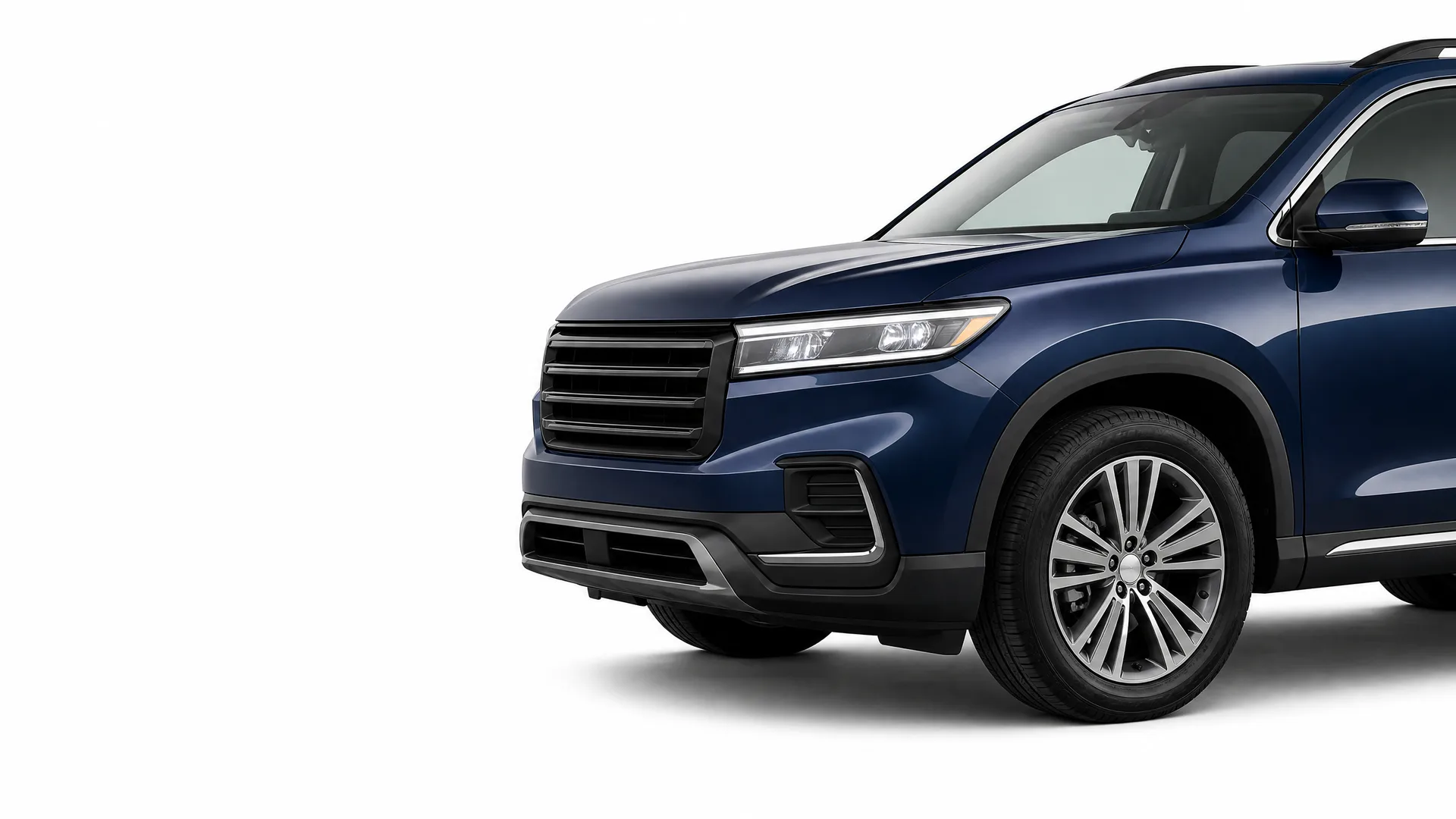
The ramp side doesn't decide your coverage. The equipment you declare and document does.
Compare quotes with your equipment list and entry style ready so insurers price your actual van, not a generic one.

Declaring your specific conversion equipment before you buy coverage
If you do
You give the insurer your conversion company, model, and equipment list. They confirm how they'll value a total loss and what repair shops they use for that equipment. You get a clear answer before anything happens, and no surprises if you file a claim later.
If you don't
Your policy defaults to valuing the van as if it were unmodified. If it's totaled, you may only get the base vehicle's value, not the cost of the ramp, lift, or seating. You find this out during the claim, when it's too late to fix.
Can I get a replacement van while mine is being repaired?
Only if you've added rental or loaner coverage that accounts for adaptive vehicles, and even then you should check it specifically. Standard rental reimbursement coverage usually pays for a basic rental car, which does nothing for you if you need a wheelchair accessible vehicle. Ask your insurer directly whether their rental benefit includes accessible vehicles or cash equivalent, since many standard policies don't and you'd need a separate rider or a different insurer that specializes in adaptive vehicles to get real protection during a long repair.
Do I need to tell my insurer every time I add new equipment?
Yes, any time equipment is added or replaced you should update your declared equipment list. Insurers value your van based on what's on file, so new equipment that isn't declared may not be covered if you need to file a claim. This matters especially if you upgrade a ramp, add hand controls, or replace seating. Check your policy's process for adding equipment, since some insurers require a new appraisal or documentation each time, while others just need a simple update to the schedule.
Is a used wheelchair van harder to insure than a new one?
Not harder, but it requires more documentation since the insurer needs to know the current condition and value of the equipment, not just its original price. A used van's conversion may have prior repairs or modifications that need to be disclosed. Get a current appraisal of the equipment's condition and value before you insure it, and ask the insurer how they handle depreciation on adaptive equipment specifically, since that can differ from how they depreciate the vehicle itself.