How to Convert a Minivan to Wheelchair Accessible
Tell your insurer as soon as the conversion is done so the lift, ramp, and controls are actually covered.
Insurers only cover what they know about
A standard auto policy is built around the vehicle as it left the factory. The moment you add a ramp, a lift, hand controls, or a lowered floor, the vehicle is worth more and costs more to repair than the policy assumes, unless you tell the insurer what changed.
This matters most at two moments. The first is when you're deciding how much coverage to carry, because the cost of the conversion needs to be added to the value of the vehicle itself, not left out. The second is after an accident, when an adjuster decides what the vehicle and its equipment are worth. If the conversion was never declared, the insurer has no record that it existed, and you're the one who has to prove it did.
How this gets handled differs by insurer and sometimes by state. Some insurers have a specific way to schedule adaptive equipment, similar to how you'd add expensive stereo equipment or custom wheels. Others fold it into the vehicle's overall value if you provide documentation. Some states have rules about how adaptive equipment must be valued after a total loss. You won't know which applies to you until you ask directly, by name, what your insurer does with conversions.
The underlying reason this works the way it does is simple. Insurance pays to restore what was insured, not what the insurer assumes was there. If the conversion isn't part of what they agreed to insure, restoring it isn't part of what they owe you.

A parent adds a ramp and a lift after the policy already existed
A parent had been insuring a minivan for two years before having it converted with a fold-out ramp and a powered lift for their child's wheelchair. The conversion cost nearly as much as the van itself. After it was installed, the parent called the insurer, read off the invoice from the conversion company, and asked specifically how the equipment would be valued if the van were ever totaled or the equipment damaged.
The insurer asked for photos, the itemized invoice, and the name of the company that did the installation, then added a note to the policy covering the equipment separately from the van. A few months later, another driver backed into the van and damaged the ramp mechanism. Because the equipment was documented and on record, the adjuster used the invoice to value the repair instead of guessing, and the claim covered the actual cost of the specialized parts rather than a generic estimate for van damage.
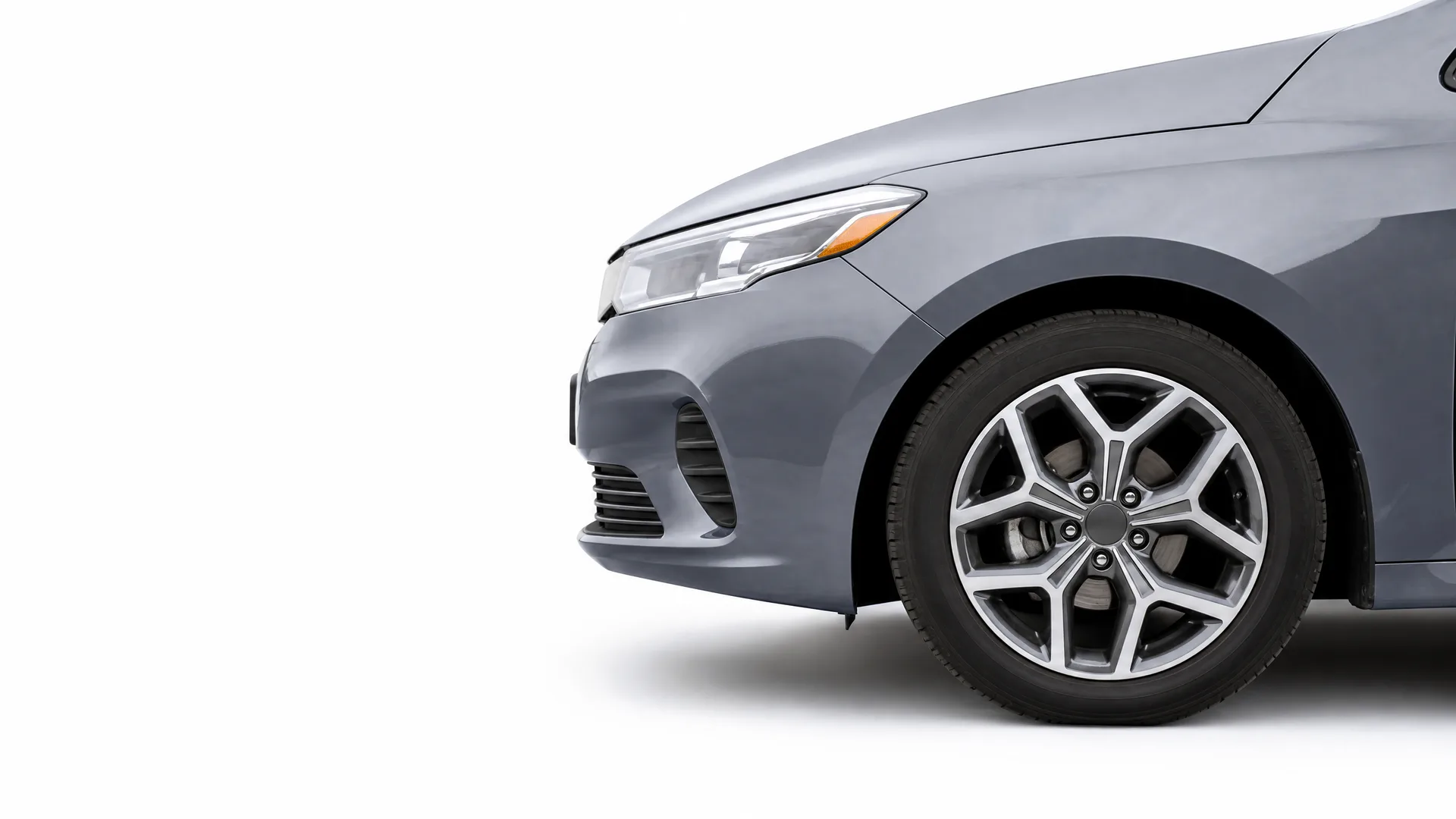
The conversion isn't covered because it exists, it's covered because you told the insurer it exists.
Compare quotes now that you know exactly what to declare and ask about before you pick a policy.

Whether you tell your insurer about the conversion
If you do
Your insurer has documentation of the equipment's cost and installer. If it's damaged or the van is totaled, they value it using real records instead of guesswork. Claims move faster because there's no argument about whether the equipment existed or what it was worth.
If you don't
The insurer only knows about the stock vehicle. After an accident, you have to produce your own proof the equipment existed and what it cost, often while the van is unusable. A total loss payout may reflect only the base vehicle's value, leaving you to cover the conversion cost yourself.
What to handle before and after the conversion
- Notify insurer beforehand Let them know a conversion is planned so you understand how it affects your coverage. Some insurers want advance notice, not just notice after the fact.
- Keep every invoice Save itemized documentation from the conversion company showing exactly what was installed and its cost. This becomes your proof of value if something happens later.
- Ask about total loss valuation Find out directly whether adaptive equipment is valued separately or folded into the vehicle's overall value. Get the answer in writing if you can.
- Check for a loaner clause Ask what happens if the van needs a long repair and you have no other accessible vehicle. Some policies offer rental coverage but rarely one that's already wheelchair accessible.
- Update after new equipment If you add or upgrade equipment later, tell your insurer again. Coverage reflects what's on file, not what's actually in the vehicle.
What happens if my accessible minivan is a total loss?
If the vehicle is declared a total loss, the insurer pays out based on what's documented as insured. If the conversion was declared and backed by invoices, the payout should reflect the van's value plus the adaptive equipment's value. If it wasn't declared, the payout is likely to reflect only a standard minivan of that age and mileage, which can fall far short of what it would cost to replace both the vehicle and the equipment.
This is also where you find out whether your state or insurer has specific rules for valuing adaptive equipment separately from the vehicle. Some do, treating it closer to specialized medical equipment than a car accessory. Ask this question before you ever need the answer, not after. Request it in writing, and keep it with your other conversion documentation so there's no dispute about what was agreed to.