
Can I Still Drive When I Am 70
Yes, you can still drive at 70, and your insurance doesn't change automatically just because of your age.
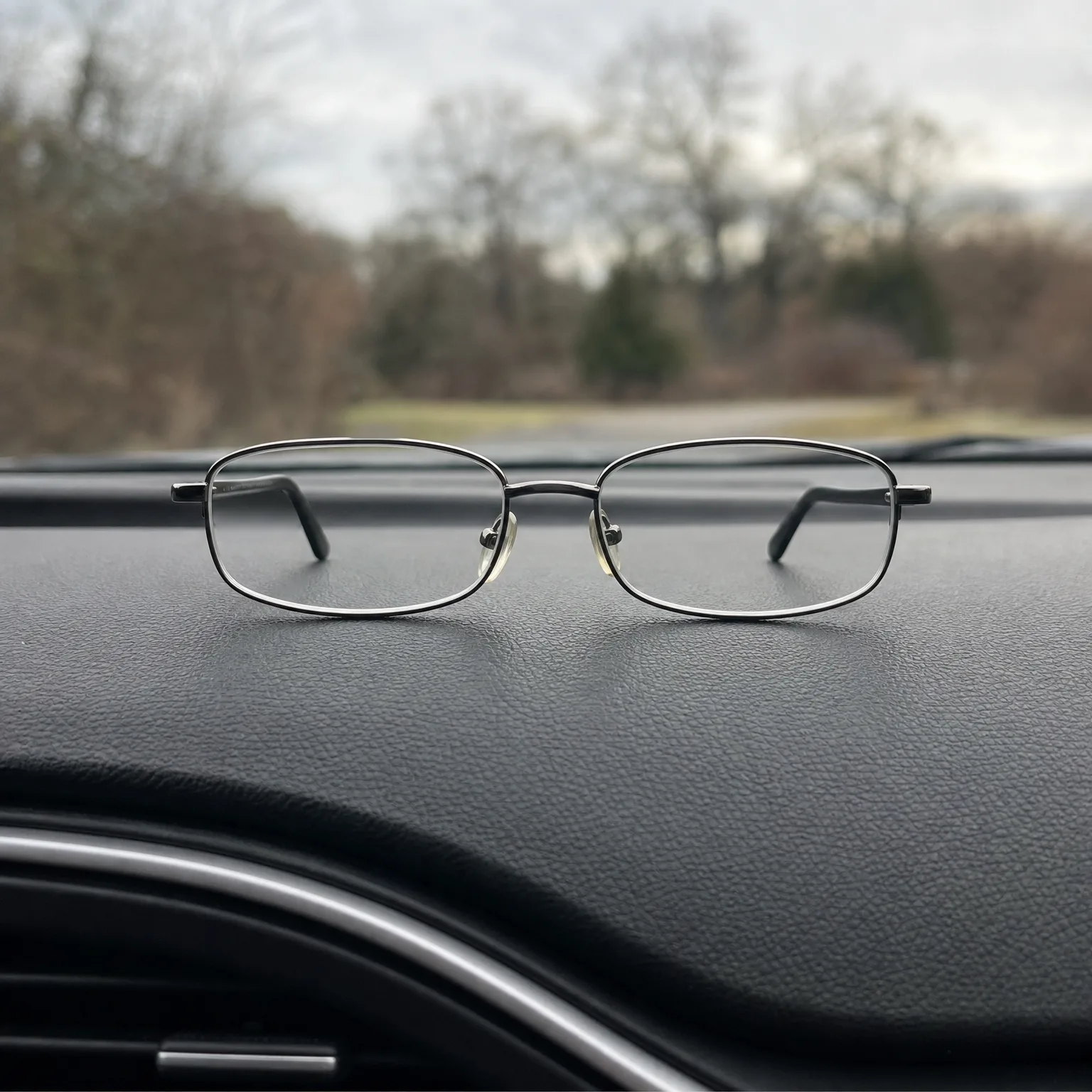
A driver turns 70 and wonders about her renewal
Marion turned 70 in the spring and her policy renewed a few months later at almost the same price. She'd expected an increase, maybe even a request for a doctor's note or a driving test, but nothing like that happened. Her insurer still based her rate on her driving record, the car she drove, and where she lived, the same factors as always.
What did change, a year later, was a minor fender bender in a parking lot. That claim raised her rate some, not because of her age but because any claim affects pricing. She also asked her agent about discounts for completing a defensive driving course, and found her state offered one specifically for older drivers. She took the course, saved a bit, and kept driving with the same policy she'd had for years.
Will my insurance drop me or refuse to renew me for being 70?
No, insurers can't cancel or refuse to renew your policy simply because you turned 70. Age by itself isn't a disqualifying factor, and most states have rules against discrimination based on age alone.
What can affect renewal is your actual driving record, recent accidents, or moving violations, regardless of how old you are. If a medical condition affects your ability to drive safely, that's handled separately, often through your state's licensing agency rather than your insurer. If you're ever concerned about renewal, call your agent directly and ask what factors they're actually weighing.

Compare quotes now and see that your age alone won't raise your price.
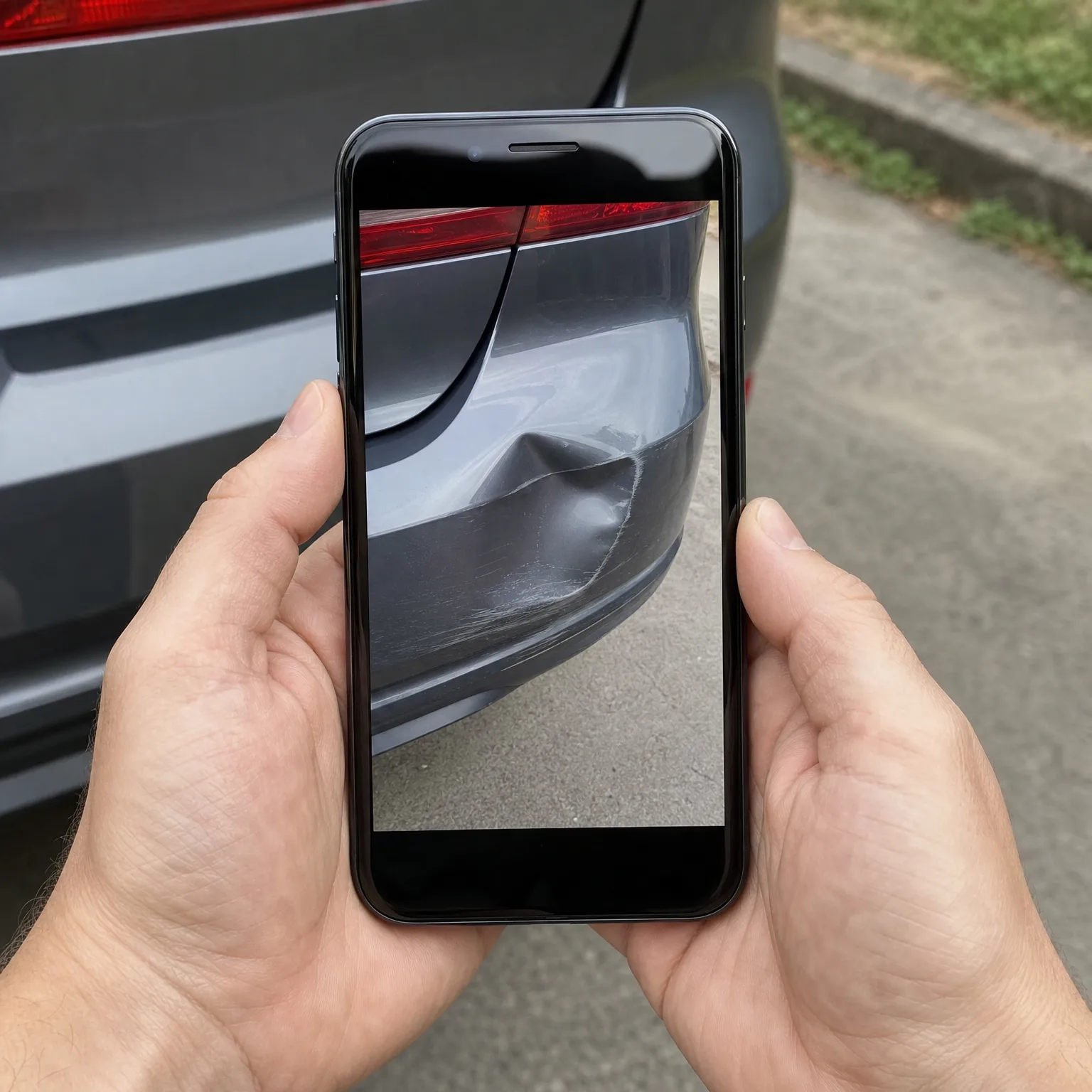
What actually determines your rate at 70
- Your driving record Accidents and tickets matter far more than your birthday. A clean record keeps your rate stable no matter your age.
- Discounts for mature drivers Many insurers offer a discount for completing an approved defensive driving course. Ask your agent if one applies in your state.
- Vehicle you drive The car itself affects your premium through its repair costs and safety features. Older, paid-off cars often cost less to insure.
- State licensing rules Some states require vision tests or more frequent renewals after a certain age. Check with your state's DMV, since this varies and isn't something your insurer controls.
- Medical conditions, if any If a health issue affects driving safely, that's a licensing question, not an automatic insurance issue. Talk to your doctor and your state licensing agency if this applies to you.
Your driving record decides your rate, not your birthday, so keep your focus there.
Do I need a special license renewal process after turning 70?
It depends on your state, since some require more frequent renewals, vision tests, or in-person visits once you reach a certain age. Others have no special rules at all. Check your state's DMV or motor vehicle agency website for the exact requirements where you live, since this varies and isn't standard nationwide.
Will my insurance rate go up every year now that I'm older?
Not automatically. Rate changes come from your driving record, claims, local accident trends, and the cost of insuring your vehicle, not from aging alone. Some drivers even see rates stabilize or drop slightly in their 70s if they drive less or qualify for mature driver discounts. Ask your agent to walk through your specific renewal if the price changes.
What happens to my coverage if I stop driving regularly?
Your coverage stays the same unless you change it, but you may be able to lower your premium by adjusting mileage estimates or switching to a policy built for occasional drivers. Tell your insurer if your driving habits changed significantly, since usage affects pricing and some insurers offer lower rates for low-mileage drivers.